Walkr
Fintech app designed to help users manage expenses and save for goals with dedicated funds, making financial planning easier.
- Industry
- Fincare
- Client
- Walkr
- Service
- UX UI Design
- Type
- Mobile
Context & problem
Most people know what they dream of — a trip, a car, a home — but not how much they can save, or when that dream becomes possible. Budgeting apps ask for long forms and spreadsheets before giving anything back, and most users give up before the plan even starts.
- Onboarding that scares people away — Long financial forms made users quit before seeing any value.
- Plans disconnected from real life — Generic budgets ignored what people actually earn and spend.
- Dreams without a date — Without knowing how long a goal would take, saving felt endless and easy to abandon.
Process & discovery
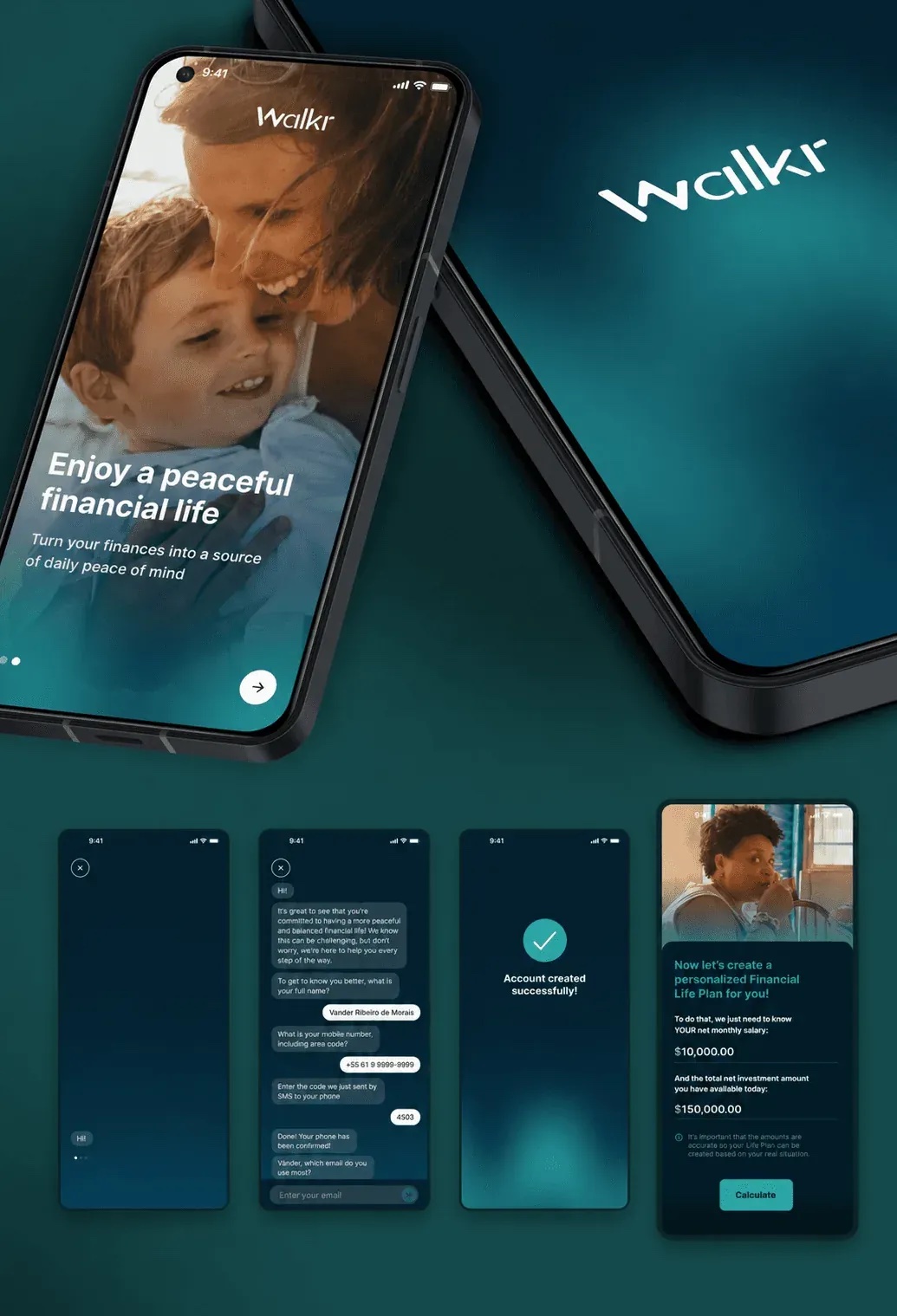
The biggest optimization was the onboarding: a chat that gets to know the person's real income, spending and dreams, and turns that conversation into a short, medium and long-term financial plan. For each dream, AI estimates how long it will take to come true based on what the person earns and spends today. I also worked full stack, building the app in Flutter and the Node.js backend with Firebase behind the chat and the AI financial plan.
- Chat Onboarding — A friendly conversation replaces long forms and captures income, real expenses and dreams.
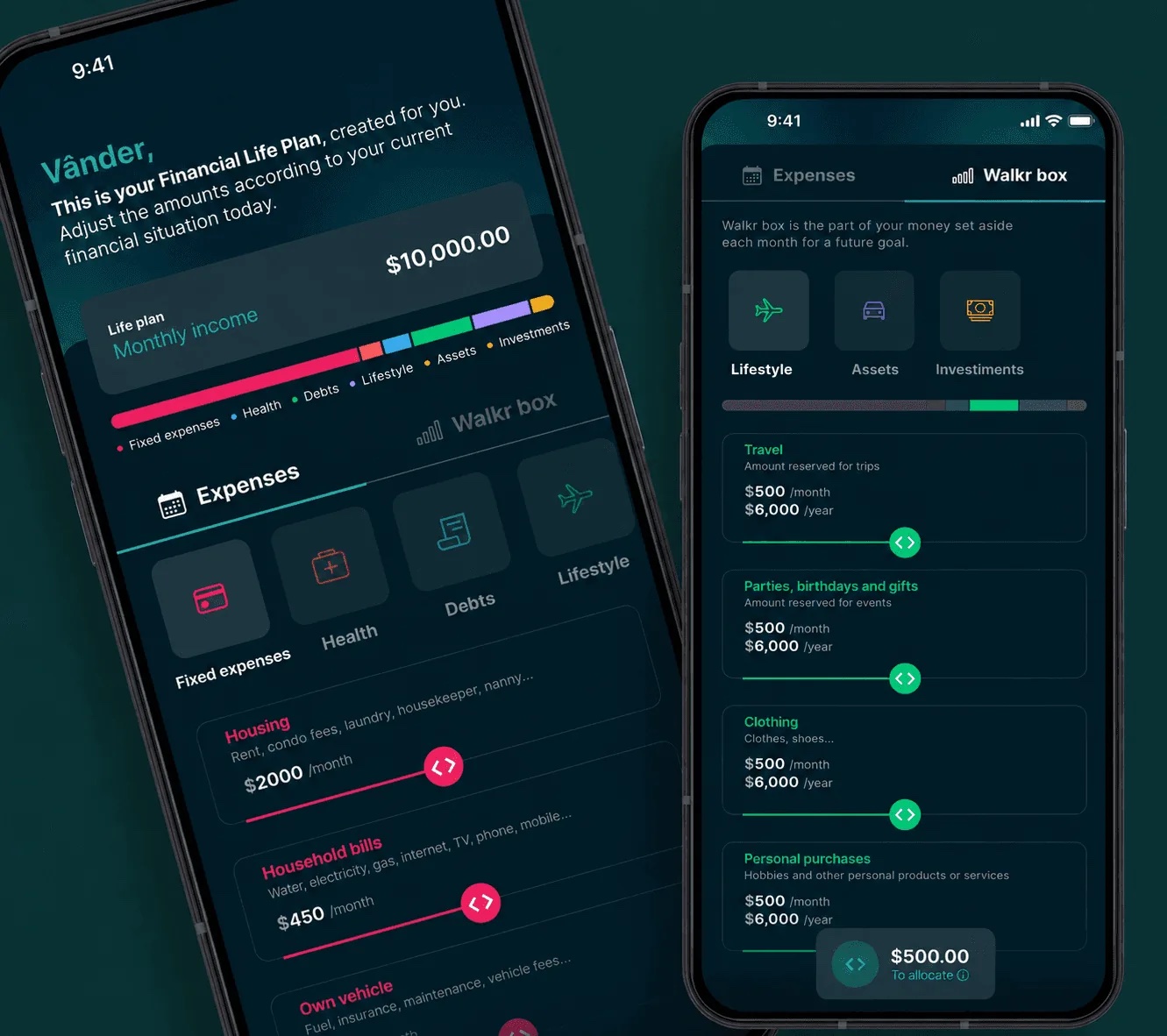
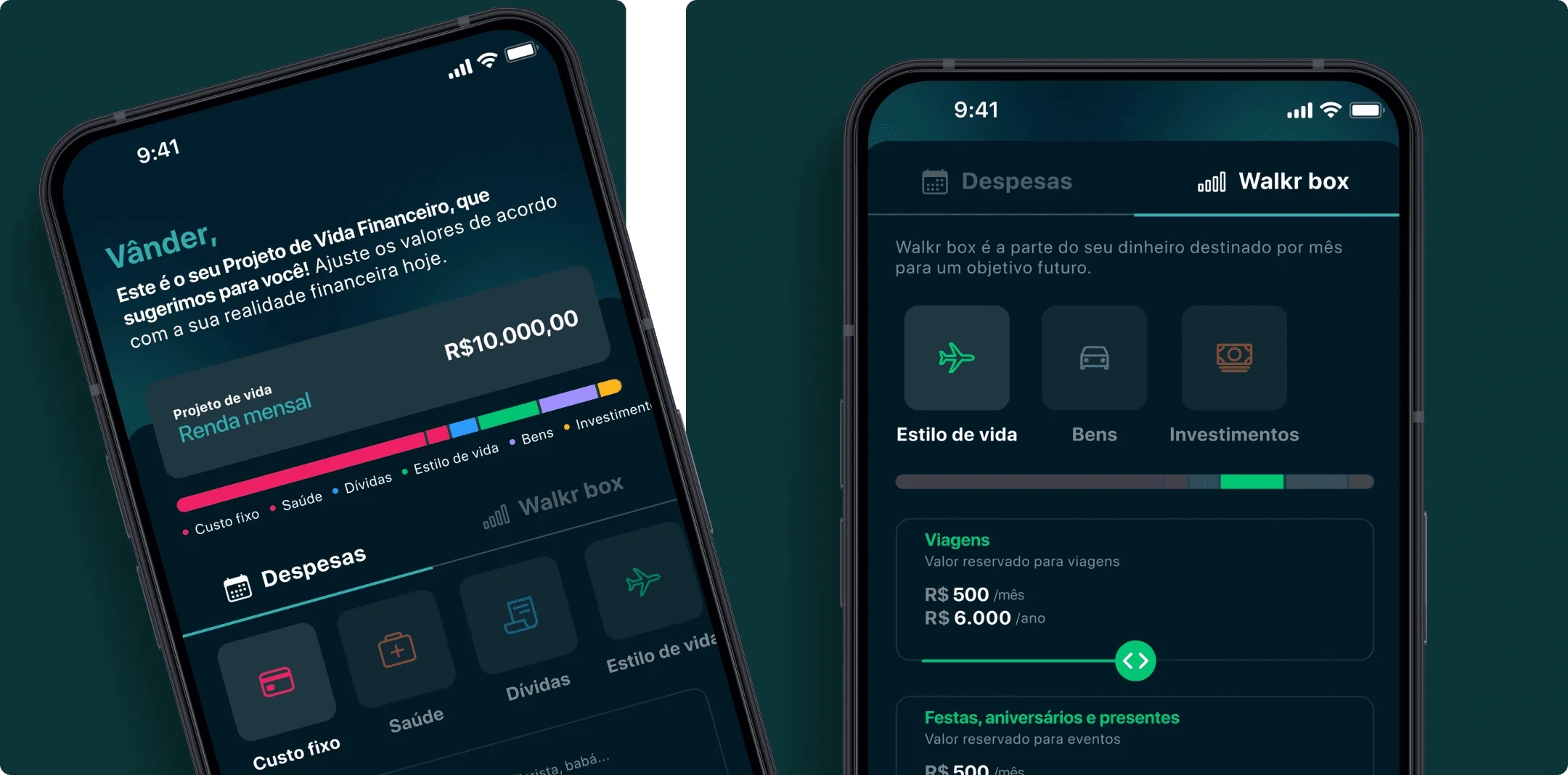
- AI Financial Plan — The app understands the budget and builds a short, medium and long-term plan from real numbers.
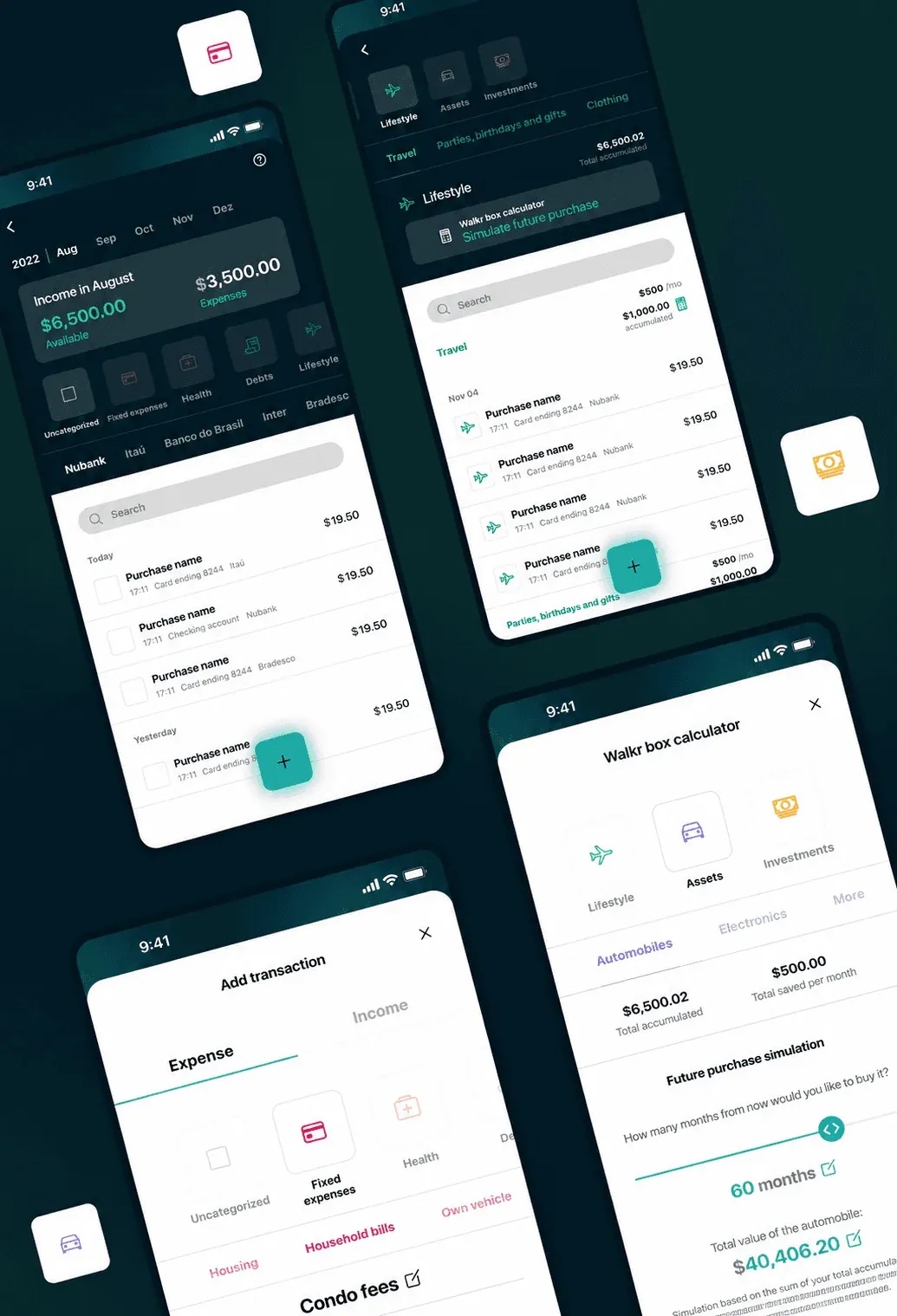
- Dream Categories — Each dream gets its own savings fund, with an AI estimate of the time needed to achieve it.
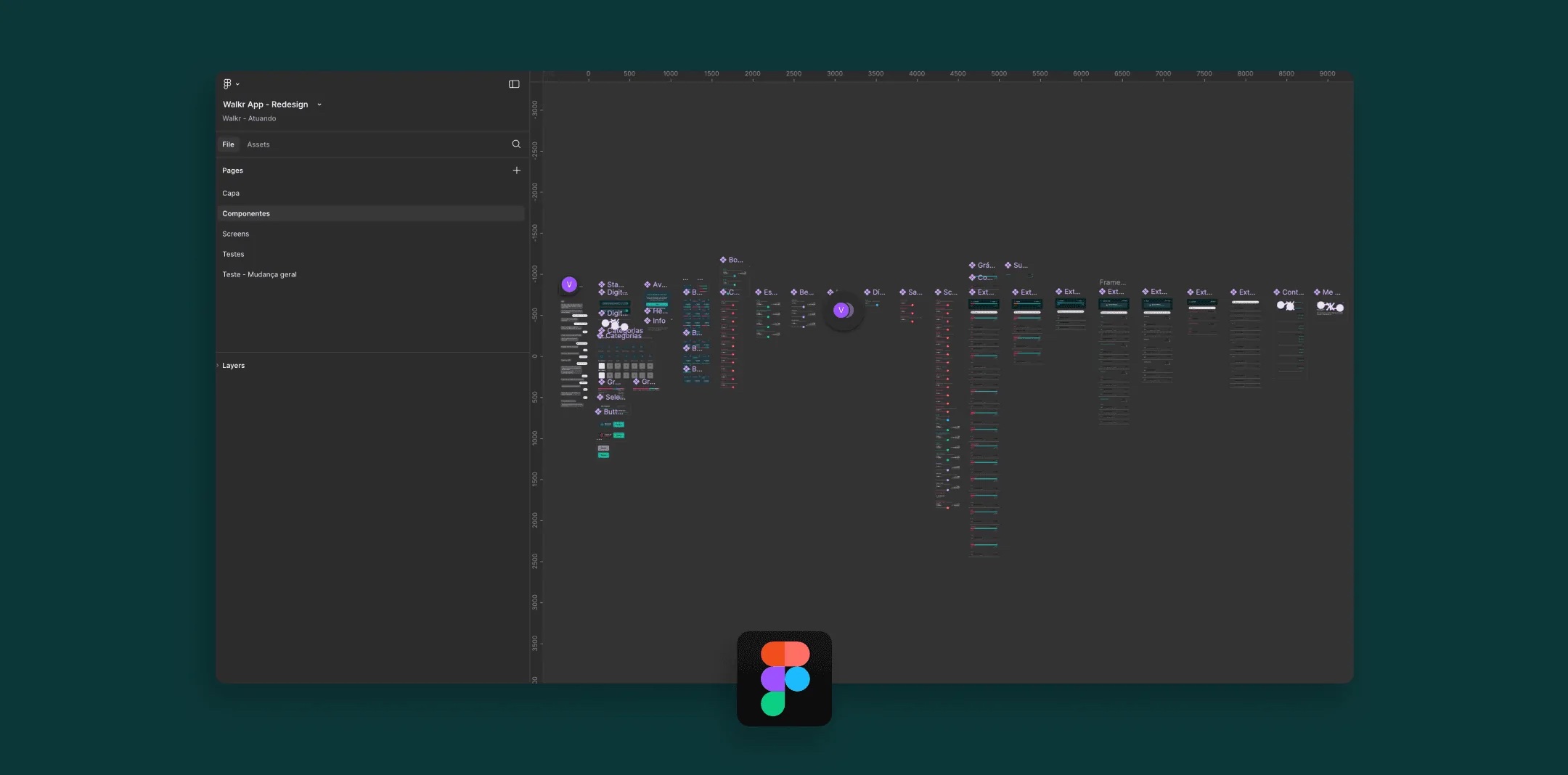
- Design System — A complete Figma design system with components, variables and everything Figma offers, keeping every screen consistent.
Results
Right after the launch of dream categories, users started saving more: seeing each dream with its own fund and a realistic date turned saving into visible progress.
- 12% Increase — in User Savings
- AI Plan from — a Chat Onboarding
Tools
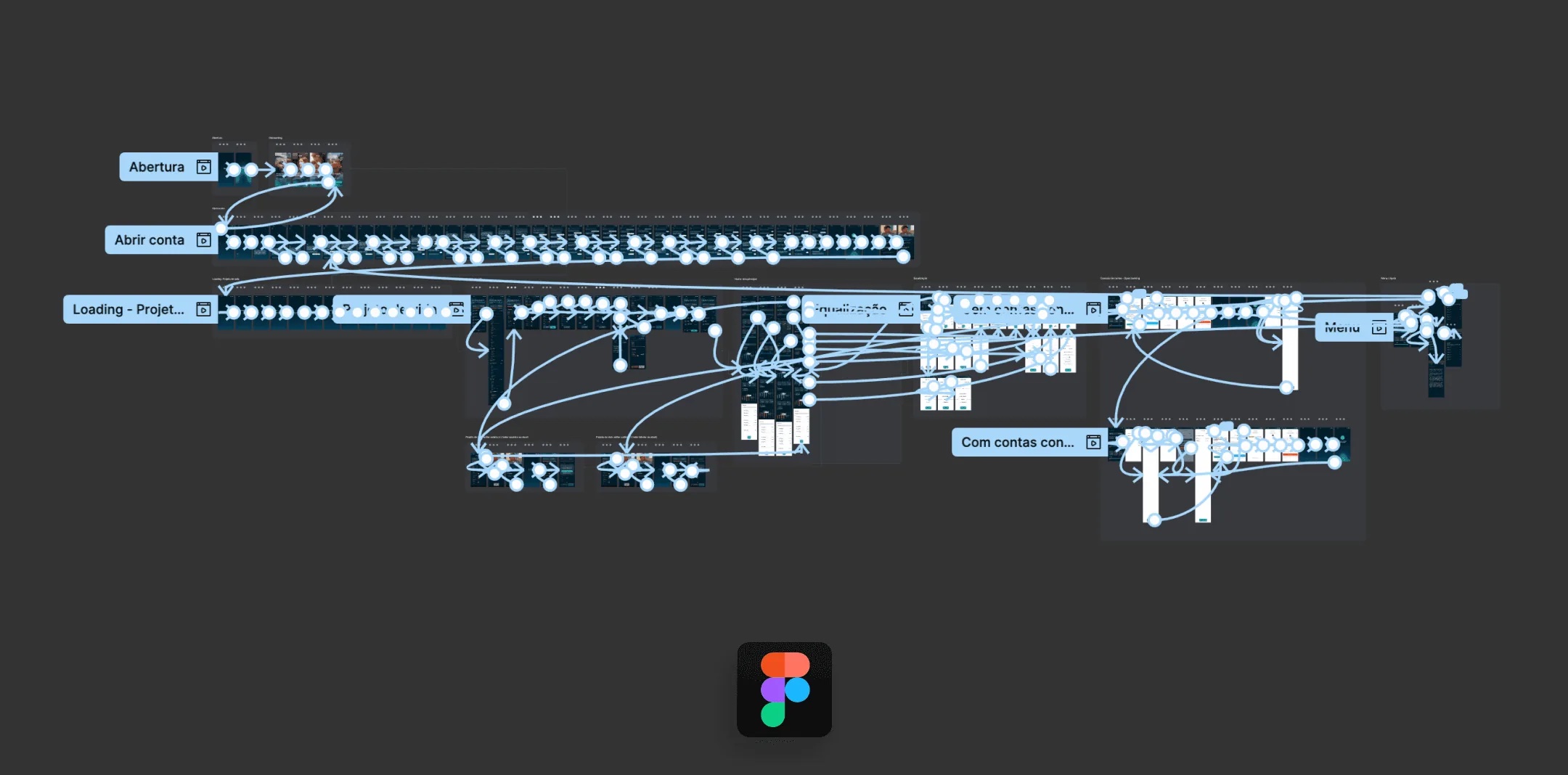
Figma for the whole product and its design system, Flutter, Node.js and Firebase for the app and its backend, and Claude Code and Higgsfield for the motion video.
- Figma — UI & Design System
- Flutter / Dart — Mobile App
- Node.js — Backend & APIs
- Firebase — Database
- Claude Code — Code & Motion Video
- Higgsfield — Motion Video
Learnings
- Conversation beats forms — Asking one question at a time made people share their real finances and finish onboarding.
- Dreams need a date — Showing how long each dream will take turned a vague wish into a goal worth saving for.
- A system scales the product — Components and variables in Figma kept every new feature consistent and fast to design.