PRIO
A platform designed to automate daily tasks, manage employees, and generate process data for efficient operations in oil platforms.
- Industry
- Oil & Gas
- Client
- Globalhitss
- Service
- UX UI Design
- Type
- Responsive web
Context & problem
PRIO is Brazil's largest independent oil and gas company. On its offshore platforms, every maintenance job depends on a Work Permit that must be drafted, risk-assessed, validated and released before anyone can start.
- Permits stuck on paper — Forms and spreadsheets moved by hand between operators, safety and supervisors, with no clear owner at each step.
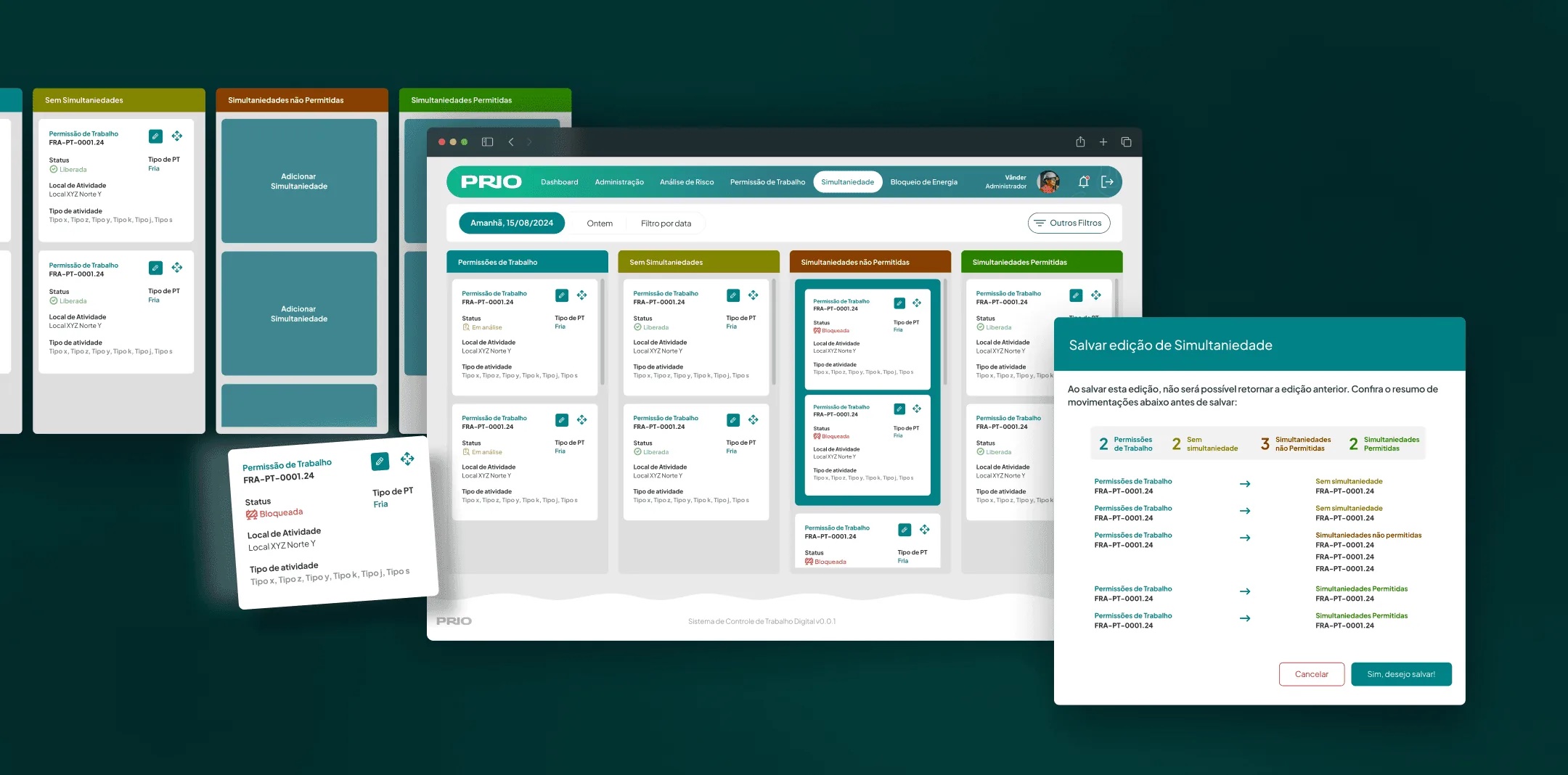
- Simultaneous operations out of sight — Checking which jobs could run at the same time in the same area depended on memory and phone calls.
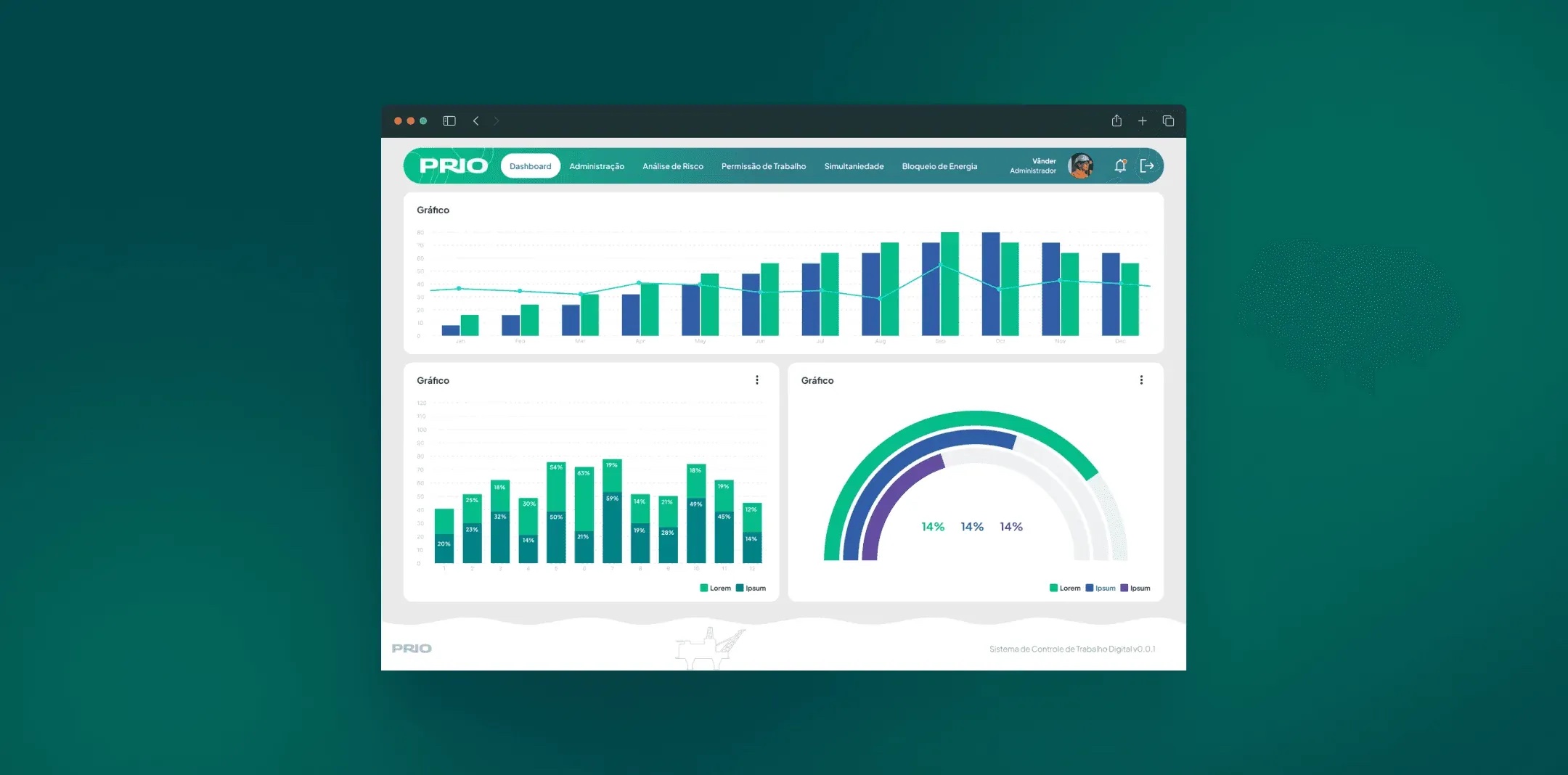
- No reliable data — Managers had no real-time view of what was happening on board, or where the process slowed down.
Process & discovery
I spent time with operators, safety technicians and platform supervisors to understand the permit lifecycle end to end, then iterated with them until the flow fit the reality of an offshore shift. I also worked full stack, building the web app in React and TypeScript and the Java (Spring Boot) API that runs the permit workflow.
- Discover — Interviews and shadowing with field teams to map every role, step and risk-analysis rule.
- Define — User flows and a service blueprint of the permit lifecycle, aligned with safety and IT.
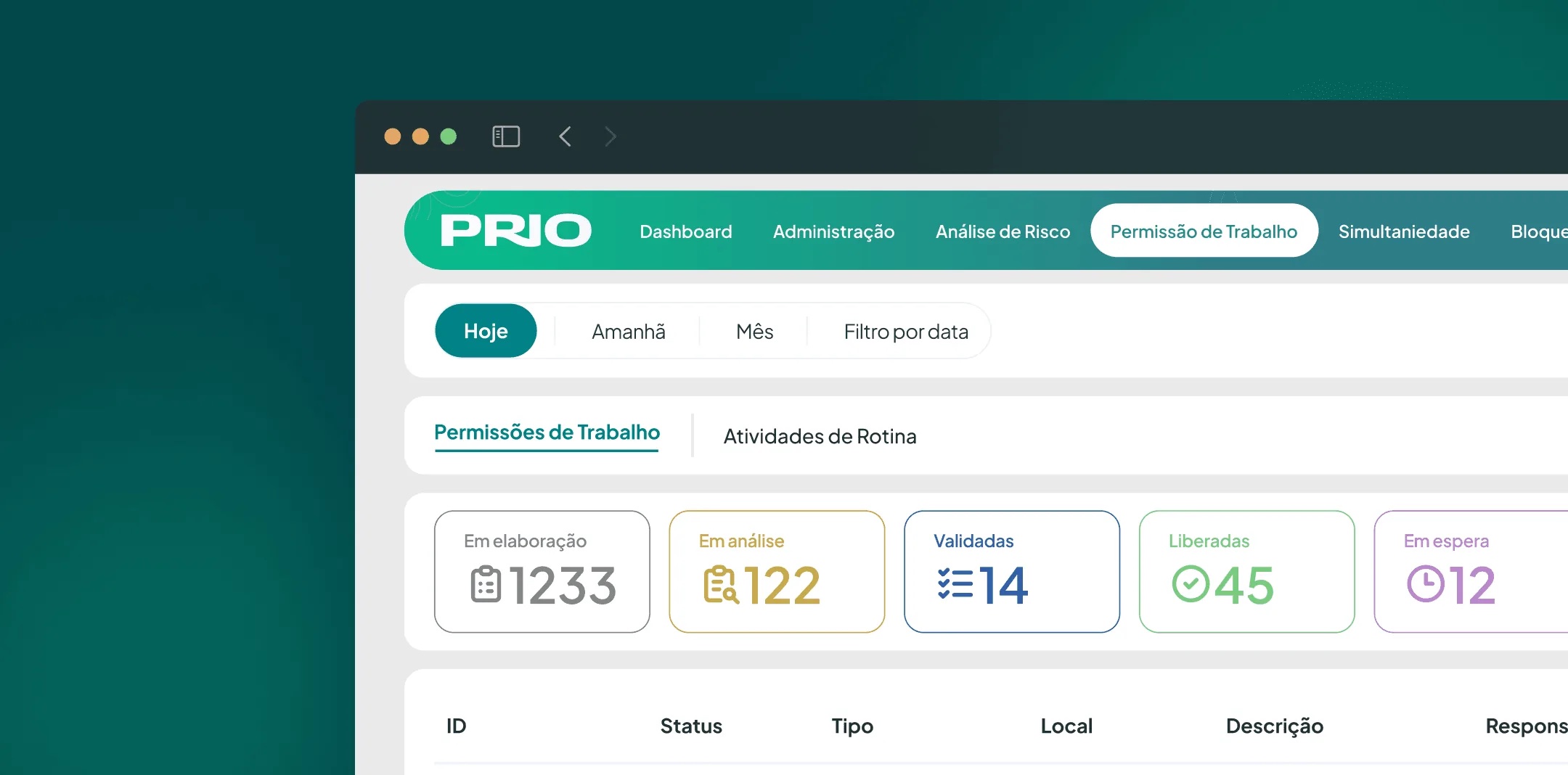
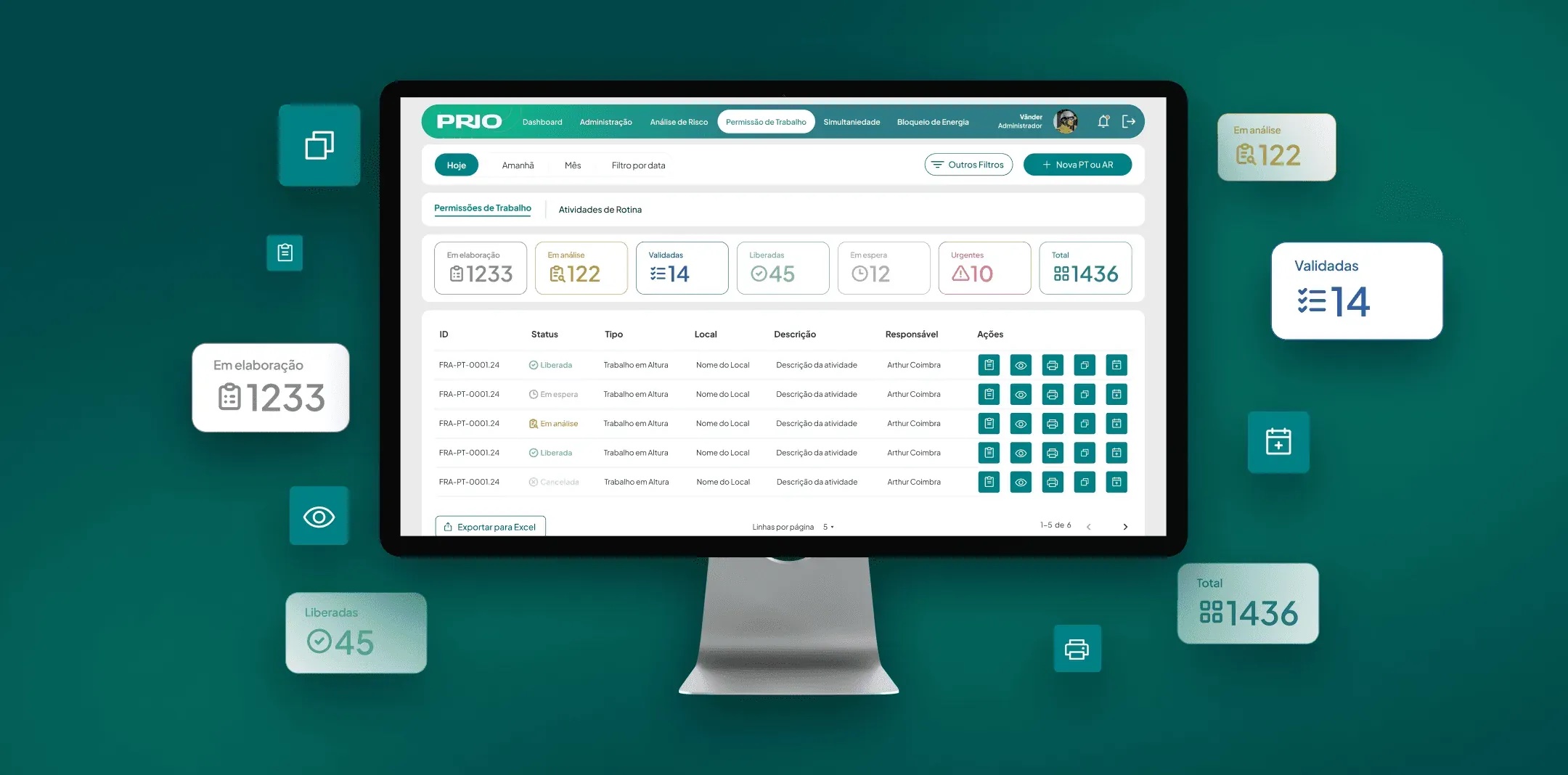
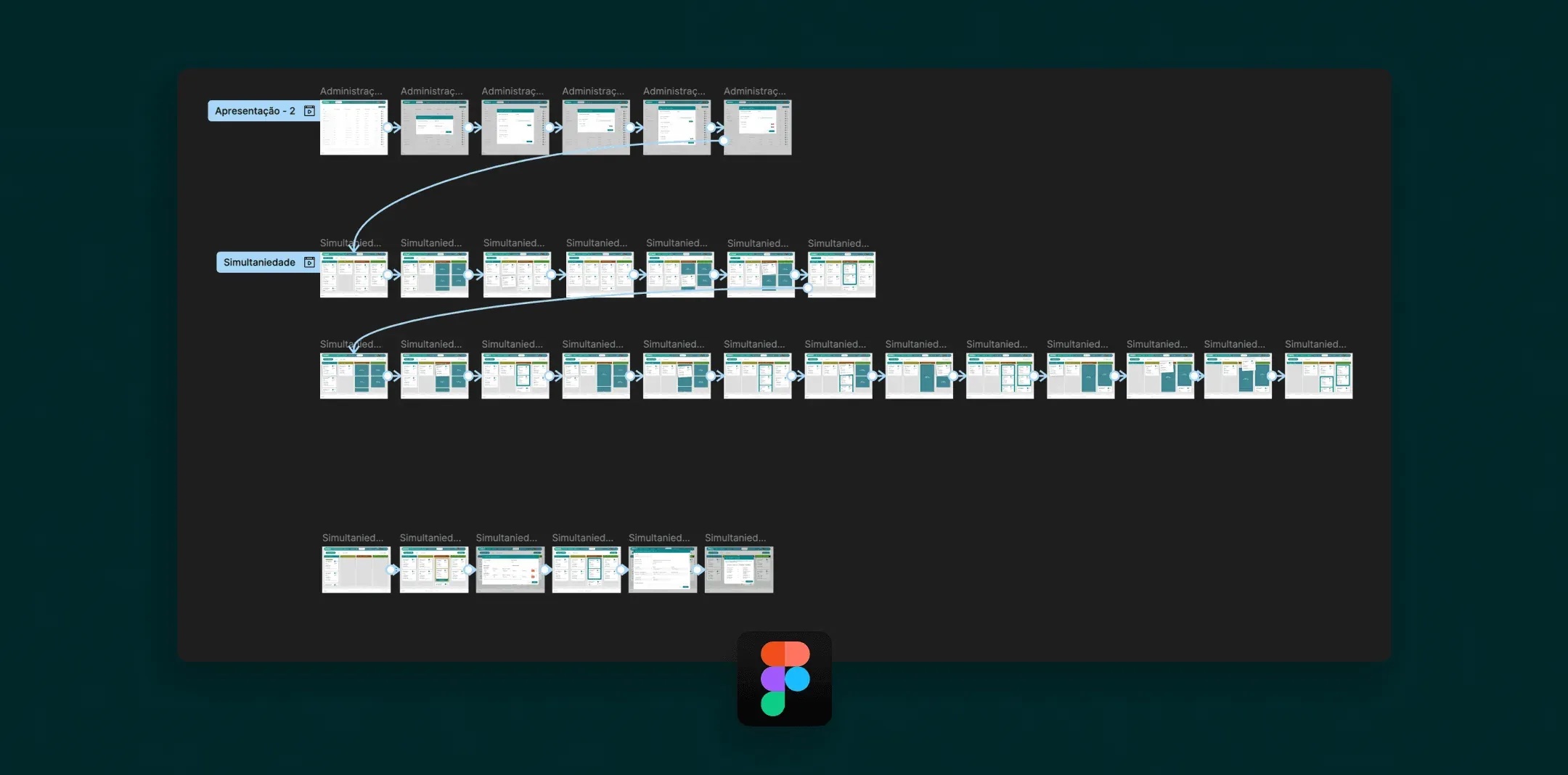
- Design — Status dashboard, permit board and a simultaneity view that flags conflicting jobs.
- Validate — Usability tests with field teams on each iteration before handoff to development.
Results
The platform replaced paper permits with a single digital flow, giving offshore teams and managers real-time visibility of every job on board.
- Real-Time — Permit Visibility
- Paper to Digital — Permit Workflow
Tools
Design and code in one flow: from UX/UI in Figma to the frontend and backend in production.
- Figma — UX/UI & Prototypes
- React — Web App
- TypeScript — Frontend
- Java — Spring Boot APIs
Learnings
- Design for the field, not the office — Gloves, glare and shift changes shaped the UI: large touch targets, high-contrast status colors and fewer steps per screen.
- Safety rules are the product — Mapping every risk-analysis rule with safety technicians early avoided rework and made validation much faster.
- Visibility builds trust — Showing the status of every permit in real time cut calls and messages between teams and gave managers data to act on.